It has been a while since my last post so here's hoping absence makes the heart grow fonder.
I know this is a garden blog but I could not resist opening with this. It is something you don't see very often.
I was driving down a local lane when I passed first a woman on a sit up and beg bike with the regulation wicker basket hanging from the handle bars and just up a head was a guy on a penny farthing struggling with all his might to get up a very steep hill. It worried me that if he lost his balance as you eventually do when you go slower and slower on a bike, he would come a tidy old cropper. Giving him a wide birth I drove by in amazement but determined to get a picture of him. There was nowhere to stop in the narrow lane until the next junction about a quarter of a mile down the road. It was a junction with a much busier road and I thought that would offer a chance for a chat and a photo when he stopped for the traffic. I pulled up and waited. Eventually the lady on the bike came into view and I asked if she had seen a man on a penny farthing. As I asked his head bobbed into sight from a dip in the road and gradually the rest of him and his huge wheel appeared.She was his companion and explained that he had designed and built this bike himself and having stayed at the local pub overnight they were now making their way back to Silverstone some thirty three miles away. But just as he hove into view he swiftly hoved out of view, the road was clear and no way was he going to dismount if he did not have to so it was quick wave from him and quick jog alongside from me try to get a quick snap and he was off with his 'support team' in swift pursuit.


...........................................................
Pretty pictures
I had a letter from Mathew Pichu in Peru and he said the last issue was a bit too biased towards the nastier side of gardening with all those pictures of pests and diseases and how about more pictures of gardens. Here are few 'pretty' pictures of plantings I have designed but sorry Mathew more death and destruction to come.
The first planting is a mix of purples and silvers with Sambucus 'Black Lace', Buddleja ( Where are we with the spelling of Buddleia? )'Morning Mist', Heuchera 'Plum Pudding' , Nepeta 'Six Hills' and Allium 'Purple Sensation'.


Nestling in the containers above is this Diascia variety. It is the most fabulous dusky, dirty, greyey purpley, blue. and not done true justice by the picture. I don't know the name of the variety but it is one I am going to get some cuttings of and use it again next year - only for my own use of course just in case it carries Plant Breeders Rights!

The seed heads of Pasque flowers, Anemone pulsatilla run through an upright Euonymus. Too bright a day for a really good photo but it does have a sort of sparkle.

While we are on a green theme, just along from the planting with the Pasque Flower above I tried out is this green and cream arrangement. Cammasia leichtlinii 'Alba' with a yet to open fully Stipa gigantea but looking just right.

This is the same Stipa later in the season when its flower heads had opened up and were shimmering in the breeze - lovely.

More of the same but different.

I tried out this combination of Heuchera 'Marmalade' , Carex buchanani, Cosmos atrosanguinues and some tagetes in a galvanised tub in the jumble of my greenhouse.

Two large clumps of Pulmonaria 'Diana Clare', some Heuchera,a Hydrangea paniculata and a purple smoke bush make a lively combination on a shady bank.( no, not Lloyds.)

More green but this time not mine. These are Nectaroscordum siculum subsp. bulgaricum reaching for the stars over a sea of Hosta leaves at Kiftsgate Court garden.

A bit more Kifstgate. The 'new' garden where the tennis court used to be. All very stylish.

A closer shot of the metal leaf sculpture. The leaves periodically drip water on a timed system


A group of box balls patiently waiting to have their hair cut behind a sea of Marmalade - Heucheras.

Just a nice mix of Heuchera , Carex and a viola that fades through a whole range of colours one of which matches the Heuchera to perfection.
..................................................
News from our agricultural correspondent Ivor Field.
I wrote....
Hello Ivor, I am getting a new blog ready to go. Any chance of a few words on the current state of play in agriculture. Any quirky pests popped up this summer? There seems to have been fields being ploughed up right through the summer this year rather than the usual autumn after harvest ploughing. Good year for aphids? I imagine the warm weather got them going. Roses have been relatively free of fungal diseases because of the dry weather, has it been the same for agricultural crops?
Ivor wrote.....
Hi Paul, Yes a lot more fallow fields this year in the South Midlands! This is a direct follow on from last years wet summer and autumn. Many fields had deep ruts and damage to the soil from heavy harvesting equipment last year and so the only way to rectify the problems were to wait until the soil dried up this Spring or Summer and then rectify the compaction issues with subsoiling. Also there has been a lot of drainage activity going on in fields where previous drainage schemes have become dilapidated/blocked. You may have noticed areas in fields (particularly Winter wheat and Rape) where the crop was sprayed out and killed in June. Areas of orange/brown appeared in the green crops like patchwork quilts - this is where farmers sprayed off crops as they were infested with weeds - mainly Blackgrass, whereby the weed has become resistant to the herbicides used and the only way to control it or reduce the weed seed numbers is to kill it off with glyphosate and sacrifice areas of the crop also. This year there has been much more spring cropping (barley, spring rape and beans and Linseed) due to the wet autumn and cold winter and the fact that the more usual winter crops could not get established last autumn. Harvesting the spring barley and wheat is now underway and the yields are respectable. Fortunately there has been a lot more sunshine this year and the harsh winter and late spring has meant fewer pests and diseases managed to survive this and cause major problems to the crops in the field. By the time the warm spells occurred in June and July bringing with them an increase in aphid populations - many agricultural crops were beyond the stages where the pests cause economic damage or harm. The one thing that seems to have thrived is wasps and sitting here outside tapping this blog on my phone, I am being harassed - perhaps their natural predators failed to survive and with the abundance of fruit on the trees (a result of the very late spring flowering with no frosts or pests to kill off the blossom) they are not short of food. Enough is enough, it's now war!
.......................................................
Giant Hogweed.
Heracleum mantegazzianum (After Paulo Mantegazzi, a liberal Italian neurologist and supporter of Darwin. )
Not one for the naked gardener this, the sap causes serious blisters and long term scarring. Its a biennial and a serious self seeder. Up to four or five metres high with cartwheels of umbelliferous flowers. Queen Anne's Lace on steroids.

Such is its majesty that I did not have the heart to dig out this dramatic plant.

Jagged leaves and purple stems - all as toxic as you like!


If you want to eat again don't be tempted to make peashooters out of the hollow stems.
Honey Fungus - a tale of woe.
I have long known about honey fungus but never knowingly seen it in action. It is one of those fungi that strikes terror into the hearts of a gardeners. It can kill large trees and a tree dying of honey fungus arouse fear that th whole garden is suddenly going to be struck down but often just one tree will go down and that is it , no more problems. Sometimes though it will spread and other nearby plants will be affected. Research has shown that there are what appear to be species and strains that are more virulent than others. It spreads underground by strands or rhizomorphs ( Rhizo = root. morph = shape so 'root like' structures. ). The rhizomorphs infect the plant through living bark on roots or at the root collar then the fungus kills the phloem (conducting tissue) and the cambium ( growth tissue) and so preventing the movement of fluids up into the tree.
The mycelium spreads as thin white sheets underneath the bark. This white mycelium becomes black with time. The fungus penetrates the dead wood and shows as thin black veins through the decaying wood.
The fungus can be recognised by its strong mushroom smell and and it produces a wet rot.
The pictures below are taken from a garden I work in. It is a garden that had become neglected and when we started work there were one or two poorly looking plants which eventually died over a period of a season and a half, notabley a Rosa glauca, Viburnum davidii and an Escallonia. I put some of this down to poor growing conditions, a cold winter and an acceptance that sometimes things die and you are never quite sure why. There were none of the obvious honey fungus symptoms ( to this day there has never been any of the honey coloured toadstools in the garden and the books say their spores are not a very likely source of infection.) though I did not suspect honey fungus and can't say I looked hard for symptoms so I might have missed something.The plants we condemned to the bonfire.
Shrubs were put in to replace them and all was well for a year then this year a Hamamelis, Rosa Nevada and Wiegela all died and and now a Magnolia stellata is looking sick. They all deteriorated slowly. Subsequent investigation has shown a dead Leyland cypress in amongst a hedge of Prunus laurocerasus near what seem to be one of three sites of infection.
There is nothing that can be done other than to remove as much as possible of the infected roots so as to remove the food source for the spreading mycelium. Unfortunately one of the stumps I need to dig out has since had a low retaining wall built over half of it so a barrier of stout plastic will seal off the part of the stump that cannot be removed.

This close up of infected wood shows the wet decaying wood, the sheets of white mycelium and the black 'marbling ' typical of honey fungus. This was found in the middle of a decaying tree stump that had been covered over and lay as a prime source of infection right next to where I was planting new shrubs.
The soft decayed tissue is easily dug out and was burnt.


Another shot of the damage to the Hamamelis which limped along for several months before eventually giving up.

A piece of decayed root showing black mycelium penetrating the decaying tissue, and white sheet of mycelium

The base of this Leyland cypress showed signs of attack by mycelium and smelled strongly of mushroom. It is in a long hedge of Cherry Laurel, Prunus laurocerasus which is showing no signs of damage and is fortunately on a Forestry Commission list of trees thought to have a useful degree of resistance.
Datisca cannabina.
I have written about this plant before. It is dioecious - having the male and female flowers on separate plants and comes from the Greek oikos meaning home Monoecious is where the male and female flowers are on the same plant i.e. one home, and dioecious they are on separate plants i.e. two homes. (Ecology has the same derivation) but I had never seen the male plant. The first two pictures below are the females and they are elegant with long and open tassels ( the herbaceous stems are some three metres tall)
It is not possible to know what plant you have bought unless you know the nurseryman who propagated it and if it is a division you will know what you are getting but if it is an un-flowered seedling you could get either male or female. They are fairly easy to raise from seed.


Male plants looking more like Goldenrod .....

..................................................................
Bakewell Show
I was at two shows with our Gardening Question Time Road-show a few weeks ago and came across some great stuff.
The first show was in Derbyshire at Bakewell. Here in the UK everybody goes oh yeah, Bakewell Tarts (it is a kind of small cake/ dessert) and tries to cast some slur on the women of Bakewell which is downright rude of course. Others say 'but what about the Bakewell Pudding and are the things Mr Kipling produces anything like the original Bakewell Tart?'I tried to sort out the tart pudding thing while I was at the show. Apparently the modern, somewhat sanitised, Bakewell Tarts we get offered in the supermarkets are tarts and the icing and cherry on the top are new additions and were not part of the original tart. They all have a pastry case with an almond paste and strawberry jam filling but the original pudding has a flaky( that might be puff, I can't remember) pastry case and a filling which according to the Original Bakewell Pudding Shop has a secret ingredient. Anyway here is a picture of two small puddings and as you can see from the grease soaked bag and dollops of jam they are a very healthy dessert. They are extremely sweet, so sweet in fact that I would struggle to eat more than six at a sitting. They definitely call for a strong cup of tea or some not too sweet custard - crème fraiche might be an idea if not a very traditional one.
............................................................
I am always envious of vegetable growers and I can only guess at the commitment it takes from these allotment holders to produce such magnificent crops.

..............................................................
The Cooperative Funeral Service sponsored the heavy horses and carriages classes which displayed in the main arena. What I was dying to see was the display of coffins which offered an odd mix of sobriety, lightness and quirkiness to the show.

This as green as you are going to get - a wicker coffin pedaled to the grave side. I am afraid it does conjure up images of a rainy day and a bike bogged down in rather sodden ground.

This looked so cosy I was tempted to get in for a short snooze. A felted coffin, it was hard to resist the temptation to stroke it.

You would have to be careful where you parked this Japanese style Buddhist temple hearse in case you ended up with queue for 99s

A very plush interior. Why would you want to go floating off to heaven when you have this?
..................................
In the Pink.
The display of pinks for judging was just so lovely with near perfect flowers and in colours I never thought I could like but I did. Sorry about the pictures being a bit fuzzy.


..................................................
The Show Bench.

The mixed veg class impresses me most because you have to show your skill across a range of produce. Anyone who can grow good caulis gets all my admiration.

What can you say!

Preened roots a horse would be proud to have as a tail.
................................................
I am struggling to find a reason to include pictures of cheeses in a garden blog but to be in the cheese tent was an experience you couldn't help but to want to share and a couple of the cheeses have plant connections


We all know this cheese. It's Yarg from Lynher Dairies and it is wrapped with nettle leaves. How could you bring yourself to cut it? Yarg sounds like some ancient word dragged up from the depths of time but this a relatively new cheese, early 1980s and first made by Alan Gray
and who just turned his name around to create this great sounding name.

Yarg

A cheese by the same maker but this time wrapped in wild garlic leaves.

Cheese mould. Very similar colours to many of our lichens.

A blue continental cheese making a run for it.
.......................................................
No words needed. New Close Farm Shop

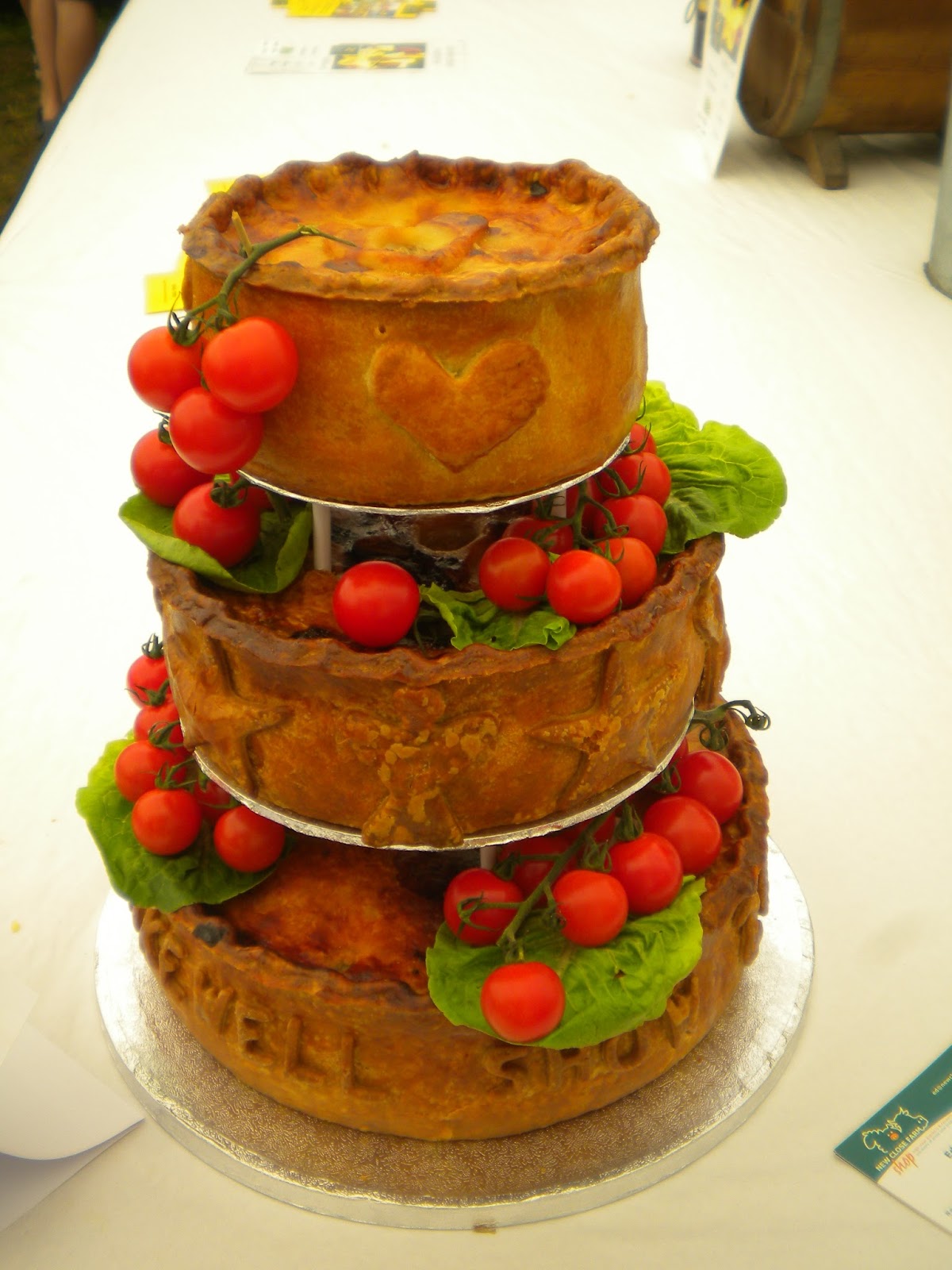
That's the end of the food section.
.................................................
Canwell Show is a great one day show in the UK Midlands. Very friendly and hospitable.

French beans for judging.
................................................
In the horticultural tent apart from all the judged classes was a display of old garden implements including a range of lawnmowers and turf care equipment.

This lawn edger was engineered to last. The metal tray on the side would collect the trimmings as you went along. .

I am a sucker for old metal and patterns and symmetry so this riddle or sieve took me to a seventh heaven. The detail and accuracy of the work was astonishing. It was made of steel so had rusted over time but for me it just added to its appeal.. The name on the wooden rim was that of a malt suppliers but I have no idea what part of the malting operation would have involved a mesh so fine.


Of all the old tools this tiny lawn mower took my heart. It was so solidly built and as sharp and efficient as you would want. Here it is turned upside down so that you can see the rotating blades and the fixed bottom blade. It has a cut of about three inches.

It is just pushed along with one hand and the wheel drives the blades around. The make is Tudor who were also makers of kitchen appliances and I seem to remember my mom had a pressure cooker made by them though it might have been a Tower.

The mower is upside down here showing where the clippings are thrown out. Look how thick the metal is.


I had a really good chat with Dave ( I hope I have remembered you name right it has been a few weeks ago now.) and he told me about his collection and collecting and also about The Old Lawnmower Club which brings together enthusiasts at annual rallies and via the website. He demonstrated the mower and it cut to perfection even on the bumpy grass of the show-ground. There was whole range of tools which I could have photographed had I not been nattering away for so long. One item was a three pronged flat bladed fork cum spade but with the blade ends joined with a pointed, flat piece of metal which if you stood the fork upside down looked like a house with a pointed roof held up by the three flattened prong. Suggestions were that it was a ditcher's fork and would be used to dig ditches in heavy soil and the open spaces between the blades would let air in and reduce the 'suck' you get when trying to dig wet clay.
LA FIN - that's for our French readers.
P.S Anyone looking for the reference to Cheeses of Nazareth there isn't one it was just a cheap gag. P.W.


